How Should Glasses Fit? A Simple Checklist You Can Do at Home
Well-fitted glasses sit level, rest evenly on your nose, touch the sides of your head lightly and stay put when you look down. Your eyes should sit near the centre of each lens, and nothing should leave a mark or an ache after a full day. If any of those fail, the frame needs adjusting.
Part 2 of our Lunettes Fittingology series.
Key takeaways
- Good fit is something you can check in a mirror in two minutes.
- Marks, sliding and headaches each point to a specific fit problem.
- Do not bend frames yourself: acetate and hinges crack easily.
What does a good fit feel like?
Honestly, it feels like nothing. You forget you are wearing them. You do not push them up, you do not take them off to rub your nose, and you do not get that tight band of pressure above your ears at 4pm.
Most people have never had that experience, so they assume discomfort is normal. It is not.
How can I check the fit of my glasses at home?
Stand in front of a mirror and work through this list.
| Check | Good sign | Warning sign |
|---|---|---|
| 1. Level | Frame sits straight across your face | One lens higher than the other |
| 2. Eye position | Pupils near the centre of each lens | Eyes near the top or bottom edge |
| 3. Nose | Even contact, no marks after wear | Red marks or dents |
| 4. Gap to cheeks | Clear of your cheeks when you smile | Rim lifts or rests on cheeks |
| 5. Lashes | Lashes clear the lens when you blink | Lashes brush and smudge the lens |
| 6. Sides of head | Light touch, no pressure | Squeezing or a visible gap |
| 7. Behind the ears | Bend follows the bone, no soreness | Pain or the frame lifting |
| 8. Look down | Frame stays in place | Frame slides forward |
| 9. End of day | No headache, no marks | Aches you blame on tiredness |
The table test: place your glasses upside down on a flat table with the arms open. Both arm tips should touch the table. If one lifts, the frame is twisted and will sit crooked on your face.
Why does tightening glasses often make things worse?
The most common quick fix is to squeeze the arms in so the frame stops slipping. It works for an hour. Then the pressure moves to your temples and behind your ears, and the headache starts.
In our experience, stability comes mostly from even contact and friction, with only light pressure. A frame that matches the shape of your nose and the bone behind your ears holds on gently. A frame that is simply squeezed tighter just moves the problem somewhere else.
What happens when we fit your glasses?
At Lunettes Art Lab in Surry Hills, Sydney, we follow the Lunettes Fittingology method led by Ricky Lim.
- We run through the same nine checks with you, on your face.
- We align the frame and correct any twist.
- We shape the nose pads or bridge to the angles of your nose.
- We set the temple opening and the bend behind each ear.
- We check where your eyes sit in the lenses, then finish with a pull test.
Frequently Asked Questions
Can plastic frames be adjusted?
Many acetate frames can be warmed and reshaped by a professional. The bridge has less room to change, so a low nose bridge sometimes needs added nose pads.
How long does a fitting take?
Most adjustments fit comfortably within our complimentary 15-minute Signature Fitting. More complex frames may need a second visit.
Is a headache from new glasses always the prescription?
Not always. Pressure from the frame can cause headaches too. If headaches continue after the fit is corrected, see your optometrist.
Next in the series: Part 3 looks at why glasses leave marks on your nose and how nose pads are matched to your nose. Read Why Do Glasses Leave Marks on Your Nose?
Book Your Signature Fitting in Surry Hills
If your glasses failed even one of these checks, a fitting can usually fix it. Bring them in and we will go through the list together.
Book a complimentary 15-minute Signature Fitting
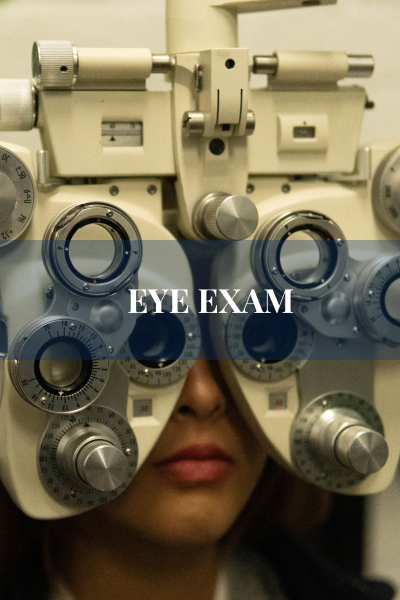
Due for an eye check too? Book a comprehensive eye examination.
Lunettes Art Lab
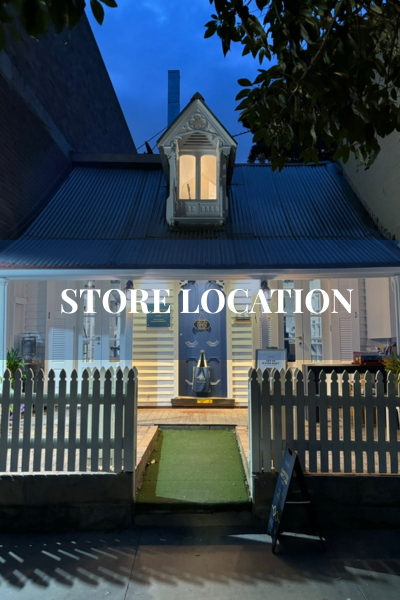
- Address: 249 Riley Street, Surry Hills NSW 2010, Sydney
- Phone: (02) 8385 4996
- Website: lunettesartlab.com
- Book a complimentary 15-minute Signature Fitting: book online
- Book a comprehensive eye examination: book online

Written by Ricky Lim