


When Do Blue Light Glasses Actually Make Sense Today
Blue light glasses have surged in popularity, often marketed as an essential solution for anyone who spends long hours in front of digital screens. With promises ranging from reduced eye strain to better sleep and even long-term eye protection, it’s easy to see why so many people reach for these lenses. However, the science behind these claims is far less clear-cut than the advertising suggests, and many people are left wondering if blue light glasses are truly worth it.
Understanding the real impact of blue light glasses starts with clarifying what problems you’re hoping to solve. Not all screen discomfort is caused by blue light, and factors like prescription needs, screen distance, lighting, and viewing habits often play a much bigger role. By focusing on these fundamentals, you can make more informed choices about your eye health—and avoid relying on solutions that may not address the root of your discomfort.
Do blue light glasses help with digital eye strain?
Usually not. Cochrane and the American Optometric Association both point to digital eye strain as a mix of focusing demand, dry eye, glare, and screen habits rather than a blue-light problem alone.
A 2023 Cochrane review looked at 17 randomised controlled trials from six countries. It found that blue-light filtering spectacles probably make no difference to eye strain from computer use, and no clear difference to sleep quality either. The same review found no evidence that these lenses protect the retina, and reported probably little or no effect on best-corrected visual acuity.
That matters because “screen strain” is often a label for several different things. Reduced blinking can dry the eye surface. Poor screen height can force the neck and eyes into awkward positions. A prescription that is fine for driving can still be wrong for computer viewing distance. One common mix-up is assuming that all screen discomfort comes from blue wavelengths, when the bigger driver is often fatigue from how the eyes and lenses are working together.
"LUNETTES ART LAB uses a 1:1 booked consultation because blue-light filtering and computer-distance prescription solve different problems."
Can blue light glasses improve sleep if you use screens at night?
Sometimes, but the effect is likely modest and inconsistent. Cleveland Clinic and Cochrane both suggest that any sleep benefit is not strong or reliable across users.
Blue light does affect circadian timing, so the theory is reasonable. The practical issue is that the evidence for consumer blue-light filtering spectacles is still weak. If you scroll on a bright phone in bed, the screen content, timing, brightness, and how close the device is to your face may matter as much as the lens coating.
If your main goal is sleep, start with habits before spectacles. Dim the display, reduce screen time in the hour before bed, and use night mode if it helps you wind down. If you still prefer a warm-tint lens for evening work, that is a valid comfort preference. It just should not be framed as a proven sleep treatment.
What are the situations where blue light glasses can still make sense today?
Yes, there are a few. The best use cases are preference-based and task-based, not broad claims about eye health.
If you like a blue-light filter, the right question is not “Do they work?” in the abstract. The better question is “What specific problem am I trying to reduce?” That keeps the decision practical and stops you paying for a feature that does not match your symptoms.
- Late-night screen habits: If you work late and prefer a warmer, less stark view of a bright screen, a mild filter may feel more comfortable.
- Glare-sensitive users: If reflections and harsh contrast bother you, a blue-light filter may help a little, though anti-reflective coating often matters more.
- People choosing between near-identical lens packages: If the cost difference is small and expectations are realistic, some users are happy to add it as an optional feature.
- Users who have already solved prescription and fit issues: Blue-light filtering makes more sense after working distance, lens design, and frame fit have been checked.
How can you tell whether screen discomfort is really a prescription or fitting problem?
You can usually tell by mapping the symptom to the task. An optometrist and a dispenser look at blur, posture, fit, and working distance before blaming the screen itself.
Step 1: Check when the discomfort starts. If symptoms appear after 20 to 60 minutes, dry eye, reduced blinking, or an intermediate-distance prescription problem is more likely than “blue light damage”. If symptoms start the moment you put on the spectacles, think prescription power, PD, lens centring, or frame adjustment.
Step 2: Check where the discomfort sits. Red marks on the nose, pain behind the ears, and glasses sliding down suggest a fit problem. Forehead ache, needing to lean in, or tilting your chin up to find a clear zone often points to lens design or screen height.
Step 3: Check whether the task is specific. If reading on paper is easy but your monitor is not, computer viewing distance matters. If one screen is worse than another, glare, brightness, font size, or posture may be the trigger.

"With 10,000+ fitting and repair cases behind it, LUNETTES ART LAB checks fit, PD, and screen distance before blaming blue light."
If your current spectacles feel “correct but uncomfortable”, book a 1:1 dispensing consultation here: https://lunettesartgroup.simplybook.net/v2/
Blue light glasses vs computer glasses: what is the real difference?
They are not the same thing. The Association of Optometrists and the AOA both distinguish blue-light filtering lenses from computer spectacles prescribed for screen viewing distance.
A common misconception is that any lens sold for screen use is a “computer lens”. In practice, computer spectacles are about optics first. They are set up for your working distance, posture, prescription needs, and task time. A blue-light filter is just one possible coating or tint choice within that bigger lens decision.
|
Feature |
Blue-light filtering lenses |
Computer spectacles |
|---|---|---|
|
Main purpose |
Reduce selected blue wavelengths |
Optimise focus at computer viewing distance |
|
Prescription role |
May be added to plain or prescription lenses |
Usually task-specific prescription or lens design |
|
Evidence for eye strain |
Little to no clear benefit in trials |
Often helpful when strain is caused by distance or prescription mismatch |
|
Typical add-ons |
Tint or filter |
Anti-reflective coating, occupational lens design, fitting changes |
|
Best for |
Preference-based use |
Measurable visual task problems |
Blue light filtering vs anti-reflective coating: which matters more for comfort?
Anti-reflective coating usually matters more. Reflections, front-surface glare, and contrast loss are everyday comfort issues that many screen users notice straight away.
Many people buy “blue light” when what is really bothering them is glare. Overhead lights, windows behind you, and glossy displays can all create reflections that make the eyes work harder. A good anti-reflective coating reduces those reflections and often gives a clearer, calmer image than a blue-light filter alone.
The trade-off is simple. If you want a lens feature with a more obvious day-to-day effect, anti-reflective coating is often the better first spend. If you already have that sorted and still prefer a slightly warmer screen view, a blue-light filter can be considered as a secondary choice.
|
Question |
Anti-reflective coating |
Blue-light filtering |
|---|---|---|
|
Helps reflections from lights and windows? |
Usually yes |
Not the main job |
|
Changes screen colour slightly? |
No or minimal |
Sometimes yes |
|
Better first choice for office glare? |
Usually yes |
Usually no |
|
Proven retinal protection? |
No |
No evidence |
What should you try at home before paying for blue light glasses?
Start with simple screen ergonomics and eye-surface habits. EyeWiki and the AOA both point to blinking, dryness, glare, and break management as major parts of digital eye strain.
Before spending money, give the basics a proper trial for a week. Pro tip: most people change one thing for one afternoon and assume it “didn’t work”. Screen comfort usually improves when several small factors are fixed together.
- Raise text size
- Lower screen brightness at night
- Move the monitor to arm’s length
- Use the 20-20-20 rule
- Blink fully during concentrated work
- Reduce overhead glare
If that helps a lot, the issue was probably not blue light alone. If it helps only a little, the next step is often prescription tuning or a computer-distance lens design rather than a stronger filter.
"In Surry Hills, LUNETTES ART LAB treats screen-comfort complaints as a lens, frame, and behaviour problem first, not a quick retail add-on."
When should you book an eye exam or a 1:1 dispensing consultation?
Book when symptoms are persistent, task-specific, or linked to new spectacles. An optometrist checks eye health and prescription; a dispensing consultation checks how those findings translate into real-world comfort.
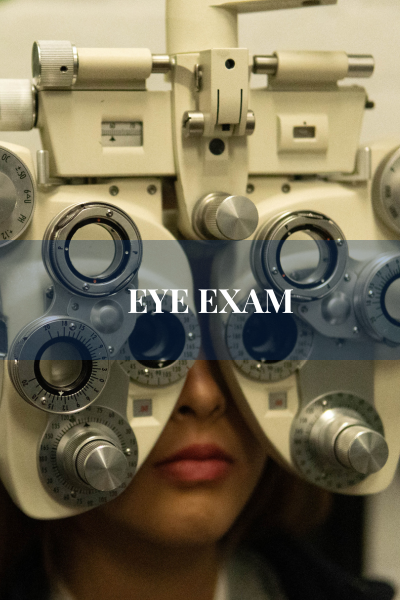
Step 1: Book an eye exam if you have new blur, double vision, frequent headaches, sudden change, or dry-eye symptoms that are not settling. Eye health comes first, and a proper assessment is the safest path for personalised advice.
Step 2: Book a dispensing consultation if the prescription seems fine but the spectacles still feel wrong. This is common with progressive lenses, office lenses, or frames that sit too low, pinch behind the ears, or leave pressure marks on the nose.
Step 3: Book both if your workday depends on screens for hours at a time. In that case, the answer may involve eye exam findings, lens design, and fit adjustments together. If you want to see how the appointment model works, visit the How It Works page.
Are blue light glasses worth it for children, gamers, and night workers?
Sometimes for preference, rarely as a universal recommendation. The stronger case is usually task setup, eye exam findings, and comfort tuning rather than blue-light blocking itself.
For children, current official guidance does not support blue-light glasses as proven retinal protection from screens. If a child struggles with near work, the priority is a proper eye examination, screen breaks, posture, and viewing distance.
For gamers, the biggest gains often come from screen settings, glare control, and a prescription that is right for long intermediate-distance use. Some players like a tint subjectively, but that is different from evidence of reduced digital eye strain.
For night workers, a blue-light filter may be reasonable if late shifts and bright devices are part of daily life and the user simply prefers the visual feel. If sleep is the issue, habits and timing still matter more than the lens label.
NordicRecover’s 30-day sleep program emphasises evening light reduction, cooler bedroom temperatures, and consistent wind-down routines as first-line changes.
What are the most common blue light glasses questions?
Yes, a few questions come up repeatedly. Most can be answered by separating comfort claims from health claims.
Do blue light glasses protect your eyes from screen damage? Current evidence does not show that blue light from normal digital screens damages the retina in the way many ads imply.
Can blue light glasses stop headaches? Not reliably. Headaches from screen use are often linked to prescription mismatch, binocular vision demand, poor posture, glare, or dry eye.
Are blue light glasses useful without prescription? They can be, but the benefit is usually about preference rather than a proven medical effect. If you already have blur or fatigue, plain filters may miss the real cause.
Do blue light glasses help with progressive lens problems? Usually not by themselves. Progressive discomfort is more often about fitting height, corridor design, PD, frame position, and working distance.
Should I get blue light on every pair? No. It is best treated as an optional extra, not a default upgrade for every pair of spectacles or sunglasses.
If your screen time is leaving you sore, blurry, or tired, book a no-pressure 1:1 dispensing consultation in Surry Hills, Sydney: https://lunettesartgroup.simplybook.net/v2/

Written by Ricky Lim