

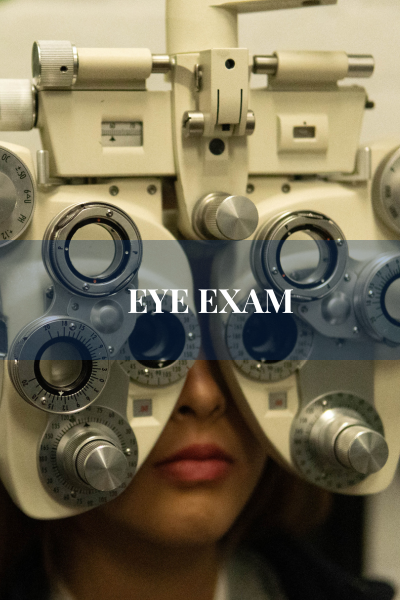
Article: A Behaviour Based Vision Assessment for Multifocals, Who It Helps and Why It Feels Different
A Behaviour Based Vision Assessment for Multifocals, Who It Helps and Why It Feels Different
Many multifocal problems are not just about prescription strength. They are often about how a person actually moves their eyes, turns their head, uses screens, walks stairs, drives at night, and switches focus through the day.
TL;DR: Summary
- A behaviour based vision assessment for multifocals looks at real viewing habits, eye movements, head movements, screen use, and task changes, then uses that information to shape progressive lens design more precisely than standard measurements alone.
- This approach is especially useful for first time multifocal wearers, people who could not adapt before, heavy screen users, drivers, and active wearers who notice blurry edges, a swim feeling, stair dizziness, slow focus changes, headaches, or screen fatigue.
- Standard multifocal measurements usually cover prescription, pupillary distance and fitting height. A behaviour based assessment adds how you actually use near, intermediate and distance vision, which can explain why a technically correct lens still feels wrong.
- Computer-heavy users often need special attention because the intermediate zone in general multifocals can feel too narrow for long desk work. If screen use dominates your day, occupational lenses may suit you better than all-purpose multifocals.
- At Lunettes Art Lab in Surry Hills, Sydney, behaviour analysis can be combined with eye examination, fitting and lens dispensing so the lens choice, frame fit and optical centre placement work together.
- If symptoms persist, book a proper eye exam or vision assessment rather than assuming you just need to “get used to it”.
A good multifocal assessment should explain why your current glasses feel the way they do, not just hand over another prescription. In Surry Hills, Lunettes Art Lab approaches this as a 1:1 vision and dispensing problem, where lens behaviour, frame fit and daily use all need to make sense together.
By Ricky Lim, Certified Artisan Lunetier, Certified Optical Dispenser in Australia, Licensed Optician in South Korea, Certified Eyewear Stylist in the UK.
What is a behaviour based vision assessment for multifocals?
Behaviour based multifocal assessment at Lunettes Art Lab looks at how your eyes and head actually move through daily tasks, not just what numbers appear on a prescription. In Sydney, this is used to guide progressive lens design around real viewing behaviour.
Multifocal lenses, also called progressive lenses, combine near, intermediate and distance vision in one lens. A standard eye test tells you what power you need. A behaviour based assessment adds another layer by asking how you naturally look at a phone, a desktop screen, road signs, stairs, supermarket shelves, and people across a room.
That matters because two people with the same prescription can use their eyes very differently. One may move mostly with the eyes. Another may turn the whole head. One may spend eight hours on dual monitors. Another may drive across Sydney at night and only read briefly.
"Lunettes Art Lab brings 10,000 plus hands-on dispensing and repair cases to vision troubleshooting, which matters when multifocal symptoms sound similar but come from different causes."
How is a behaviour based multifocal assessment different from standard measurements?
Standard multifocal fitting uses prescription, pupillary distance and fitting height, while behaviour based assessment adds visual habits, gaze shifts and task patterns. Cleveland Clinic describes progressives as a multi-distance lens option, but how those zones feel depends heavily on the wearer’s real use.
A routine multifocal setup often starts with the correct prescription, frame choice, where the pupil sits in the frame, and basic fitting measurements. Those are essential. They are just not always enough.

A behaviour based assessment asks a different set of questions. How often do you switch from phone to distance? Do you work mostly at one screen or several? Do stairs feel unstable? Do you tip your chin up to find the right reading zone? Do you get headaches late in the day even though the prescription checks out?
A common misconception is that adaptation trouble means the wearer is “bad at progressives”. Often the issue is that the lens design or fitting logic does not match daily behaviour. A 2007 PubMed-indexed study on progressive addition lenses found that adaptation involved changes in eye and head movement strategies, which supports the idea that movement behaviour is part of the real story.
"Lunettes Art Lab can add behaviour analysis to the Vision Personalisation Studio, then carry those measurements through fitting and in-house lens edging so optical centres land where the design intends."
Who are the people most likely to benefit from this kind of multifocal assessment?
Behaviour based multifocal assessment suits several clear groups, especially when standard progressives never felt natural. Lunettes Art Lab sees this most often in first time wearers, repeat non-adapters, screen-heavy workers, drivers and active all-day wearers in Sydney.
After the basic prescription is checked, the people below tend to gain the most from looking at behaviour, not just lens power:
- Lunettes Art Lab clients with first-time multifocals: New wearers often need help matching lens design to daily routines before poor habits or early frustration set in.
- People who failed with progressives before: If an earlier pair felt impossible, the cause may have been behaviour mismatch, fitting error, or the wrong lens category rather than “you can’t wear multifocals”.
- Heavy screen users: Office workers, designers, architects and anyone switching between laptop, desktop and phone can struggle if the intermediate zone is too tight.
- Drivers: Frequent drivers may notice glare, slow refocus from dashboard to road, or awkward posture when scanning mirrors and signs.
- Active wearers: People who move around a lot, use stairs often, or look between distances quickly may be more sensitive to peripheral blur and swim.
- People with persistent comfort symptoms: Headaches, neck tension, chin lifting, narrow reading zones and late-day fatigue can all point to a design and behaviour mismatch.
What symptoms usually point to a behaviour mismatch rather than just a prescription change?
Blurry edges, swim feeling and stair discomfort often point to lens design and use-pattern issues, not just a stronger prescription. At Lunettes Art Lab, these symptoms are treated as clues about how the lens is being used in real life.
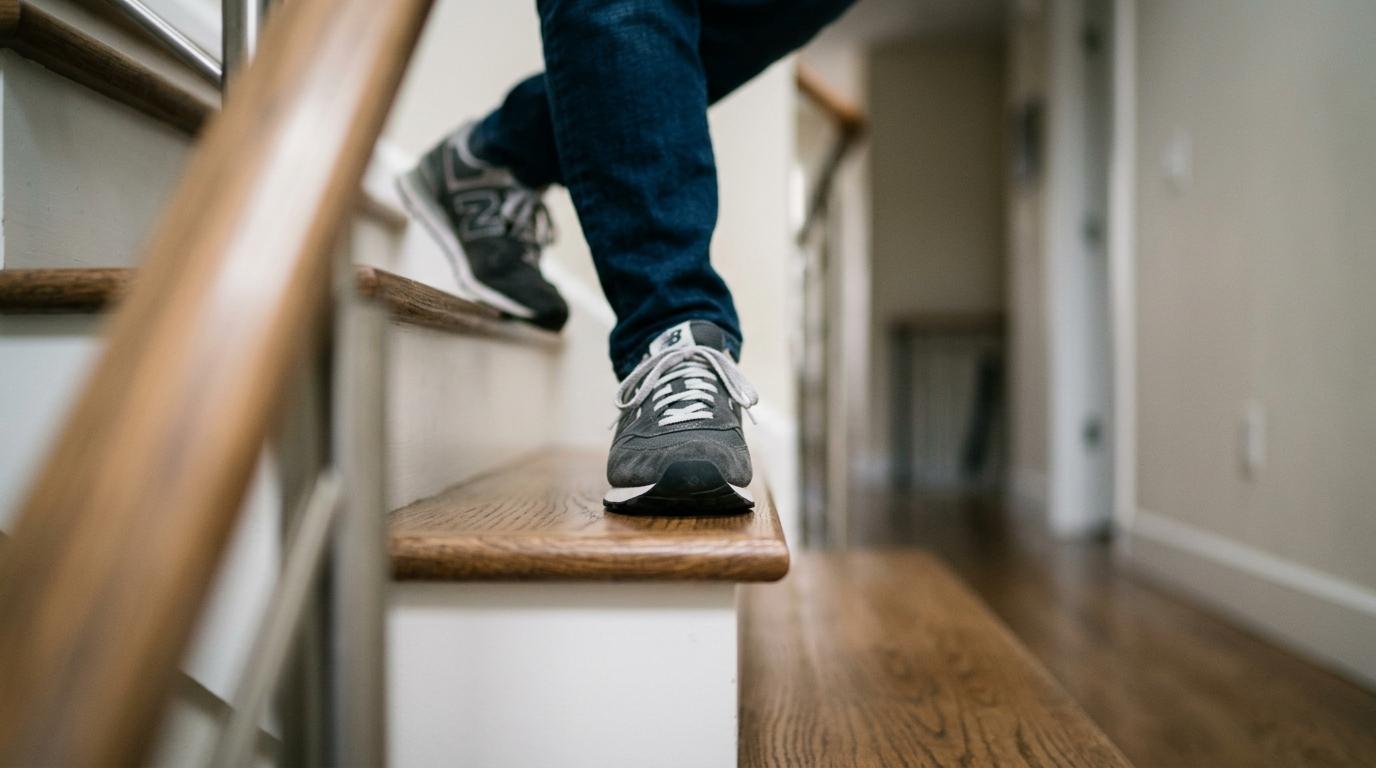
The classic symptoms are fairly consistent. The side areas feel wavy. The floor seems to move. Stairs feel odd. You are slow to switch from phone to distance. Screens feel cramped. You keep hunting for the clear part of the lens. By late afternoon, the eyes feel tired and the neck feels busy.
If the prescription is correct but those symptoms remain, then behaviour becomes very relevant. If you spend most of the day at intermediate distance, a general-purpose multifocal may be asking the wrong job of the lens. If you naturally move your eyes more than your head, a lens layout that expects larger head turns may feel awkward.
A pro tip here is simple: do not judge a multifocal only by whether text is clear when sitting still in the testing chair. The real test is walking, reading, screen use, stairs, driving and repeated focus shifts through a full day.
How does a behaviour based multifocal assessment work step by step?
Behaviour based assessment follows a clear sequence at Lunettes Art Lab: symptom review, movement analysis, lens translation and precise fitting. The aim is to connect what you feel in daily life with a lens design that behaves better in daily life.
Step 1 starts with history, not hardware. The assessment asks what actually goes wrong. Is it stairs, office work, shopping aisles, driving, or switching from phone to distance? Presbyopia often becomes noticeable from the early to mid-40s, but the symptom pattern matters more than age alone.
Step 2 looks at visual behaviour. In the Vision Personalisation Studio, behaviour analysis can assess how the eyes move, how often the head compensates, and how you shift between distances during realistic viewing tasks. This is where a behaviour tool such as Stepper OPTI AI can help make hidden patterns visible.
Step 3 translates that into lens choice and fitting. If the issue is intermediate demand, the answer may be a different multifocal design or an occupational lens. If the issue is adaptation with a good design, fit and optical centre placement need close attention. Because the frame is the delivery system, the lens cannot perform properly if the frame sits wrongly.
Mid-article, if you are trying to work out why your current progressives still feel wrong, you can book a no-pressure vision assessment or eye exam here: https://lunettesartgroup.simplybook.net/v2/
Why do blurry edges, swim feeling and stair dizziness happen in multifocals?
Peripheral blur is built into progressive optics to some degree, but poor matching makes it far more noticeable. Sydney wearers often describe this as “swim”, floor movement or hesitation on stairs, especially in early adaptation.
Progressive lenses create different zones without visible lines. That convenience comes with trade-offs. The near, intermediate and distance areas must be blended, which means unwanted blur exists away from the useful channels. The question is not whether any blur exists. The question is whether it interferes with your real life.
If the fitting height is wrong, if the frame sits too low, if the pantoscopic tilt is poor, or if the lens design does not suit your movement behaviour, the useful zones can feel harder to find. Then small normal compromises become large daily annoyances.
Another common misconception is that stair dizziness always means the prescription is wrong. Sometimes it is a new movement pattern problem. The wearer is learning how to direct gaze through the distance portion rather than the near portion while descending. If that adaptation still feels unsafe after a reasonable period, reassessment is sensible.
"Lunettes Art Lab offers a free 15-minute fitting session in Surry Hills as a starting point when multifocals feel wrong but the prescription alone does not explain it."
How do behaviour based multifocals compare with standard multifocals in real daily use?
Behaviour based multifocals usually feel more task-matched, while standard multifocals are built for more average assumptions. At Lunettes Art Lab, the practical difference shows up in screen comfort, posture, speed of focus change and ease of adaptation.
Standard multifocals can work very well when the wearer’s habits are fairly typical and the fitting is precise. They are not “bad lenses”. The problem appears when the person is not average in how they use vision.
Behaviour based design tries to reduce that mismatch. If you are constantly moving between laptop, colleague, phone and room distance, the lens logic should reflect that pattern. If you drive a lot, mirror checks and distance stability matter. If you read heavily but also walk around frequently, the balance changes again.
The trade-off is that a more personalised assessment takes more time and more careful dispensing. In return, the lens recommendation is based on actual use rather than broad category labels.
Multifocals or occupational lenses for screen work: which suits heavy computer users?
Occupational lenses often suit dedicated screen work better than general multifocals when intermediate demand dominates the day. Lunettes Art Lab regularly explains this difference because many office workers assume multifocals should handle every visual task equally well.
Step 1 is to define your main working distance. If most of your day is spent at desktop, laptop, paperwork and nearby conversations, then your most important vision zone is intermediate, not long-distance road vision.
Step 2 is to compare lens purpose. General multifocals try to do near, middle and far in one lens. Occupational lenses reduce or remove the long-distance demand so they can provide a wider clear working area at desk distance.
Step 3 is to decide whether you need one pair or two. If you are mostly at a desk, occupational lenses can feel far more relaxed. If you need all-day mixed use, a personalised multifocal may be the better base pair. Many people in Sydney end up with both, not because something failed, but because each pair has a different job.
A useful rule is this: if your main complaint is screen fatigue and narrow monitor clarity, do not assume a stronger general multifocal is the answer. The lens category itself may need to change.
What should you do if you have already failed with multifocals once?
Failed multifocals should be reviewed systematically, not written off. Lunettes Art Lab treats previous failure as a troubleshooting case involving prescription, behaviour, fit, lens design and daily tasks.
Step 1 is to check the basics properly. Has your prescription changed? Were near demands measured accurately? Are there dry eye or binocular issues that need clinical review in an eye exam?
Step 2 is to review the existing pair as a physical object. Is the frame slipping? Is the fitting height too low? Are the optical centres landing where they should? A perfect prescription in a poorly fitted frame can still feel uncomfortable.
Step 3 is to ask whether the first lens choice ever matched your life. If you are a screen-heavy worker, an all-purpose progressive may never have been the best first answer. If you are a first-time wearer who moves quickly through space, behaviour-based assessment can be useful before trying another pair.
When should you book an eye exam or vision assessment in Sydney?
Persistent multifocal discomfort deserves a proper assessment when symptoms last beyond early adaptation or interfere with safety and work. In Surry Hills, Lunettes Art Lab can combine eye examination, dispensing review and behaviour-based assessment depending on the problem.
Book an eye exam if your vision has changed, small print is newly worse, headaches are frequent, or night driving has become harder. Book a vision assessment if the prescription seems right on paper but the glasses still feel wrong in use.
That distinction matters. Eye health and prescription issues need proper clinical checking. Lens behaviour, fitting and task mismatch need skilled dispensing and troubleshooting. Many people need both, not one or the other.
What do people usually ask about multifocal vision assessments?
Do first time multifocal wearers need a behaviour based assessment?
First time wearers often benefit because early lens choice shapes the whole adaptation experience. If your work or daily routine is visually complex, behaviour information can make the first pair feel more natural.
Can this assessment help if my multifocals are clear but uncomfortable?
Yes. Clear vision and comfortable vision are not the same thing. If you are getting neck strain, swim, headaches or constant posture compensation, the problem may be lens behaviour or frame fit rather than basic prescription accuracy.
Is a behaviour based assessment only for difficult prescriptions?
No. Strong prescriptions can benefit, but many moderate prescriptions struggle because of screen use, quick focus shifts or movement habits. The assessment is about how vision is used, not just how high the numbers are.
Will it replace a normal eye test?
No. A behaviour based multifocal assessment does not replace a proper eye examination. It adds another layer that helps explain how to turn prescription information into a more suitable lens plan.
Can drivers and people who use stairs a lot benefit?
Yes. Drivers often need stable distance use and efficient focus shifts. People who move around a lot may be more sensitive to peripheral blur and floor awareness, so their movement habits matter.
If you want help working out whether your symptoms sound like prescription change, multifocal mismatch, or screen-related lens strain, a soft next step is to book an eye exam or vision assessment in Surry Hills, Sydney: https://lunettesartgroup.simplybook.net/v2/