Common Eye Conditions: Symptoms and When to Seek Care
Have you noticed blur, glare or a change in how your eyes feel? Common eye conditions range from focusing problems that glasses can correct to diseases that need clinical assessment. In Sydney, our optometrists conduct comprehensive eye examinations, and what a comprehensive eye exam can reveal may be useful context if you are deciding what to discuss at an appointment.
Symptoms can offer clues, but they do not confirm a diagnosis. Some eye diseases cause few early changes you can notice yourself, so it is worth considering your eye health, medical history and any new symptoms together rather than relying on vision alone.
Which eye conditions are common in Australia?
Eye conditions include refractive errors, such as short-sightedness, long-sightedness, astigmatism and age-related difficulty focusing up close. Other frequently discussed conditions include cataracts, glaucoma, diabetic retinopathy and macular degeneration. The AIHW’s 2021 report identifies these five as common eye health conditions affecting Australians.
The figures behind that report need a date: more than 13 million Australians reported at least one long-term vision disorder in the 2017 to 2018 National Health Survey. That is historical self-reported data, not a current count or a measure of how many people have a particular disease.
These conditions differ in what they affect. Refractive errors change how light focuses on the retina, making objects at certain distances look blurred. Cataracts affect the eye’s lens, while glaucoma and diabetic retinopathy affect structures involved in transmitting or processing visual information. Macular degeneration affects central vision.
What symptoms can different eye conditions cause?
Blurred vision is common, but its pattern and accompanying symptoms matter. Short-sightedness often makes distance vision unclear; long-sightedness can make close work difficult. Astigmatism can blur vision at different distances, while presbyopia commonly makes reading up close harder with age. An updated prescription may address a refractive error, but an examination is needed to assess what is causing the change.
A cataract can make vision seem cloudy or less clear, and glare can become troublesome. Glaucoma can damage the optic nerve and may not cause obvious early symptoms. Diabetic retinopathy affects blood vessels in the retina and can also develop without a clear warning sign at first. Macular degeneration may affect central vision, such as the detail you use for reading or recognising faces.
Dryness, redness, itchiness, watering or discharge can also occur with common eye problems, including surface irritation or infection. Symptoms overlap, so a red or uncomfortable eye does not by itself identify the cause. The Australian Government’s eye health information notes cataracts, macular degeneration and diabetic retinopathy among conditions that can cause vision loss.
When should you seek an eye assessment?
Arrange an assessment if your vision changes, symptoms persist or interfere with reading, driving or other everyday tasks. It is also sensible to discuss eye checks if you have diabetes, a family history of eye disease or concerns about a medication. Our article on how medications can affect eye health explains why it can be useful to raise medicines you take during an eye health conversation.
Seek urgent medical care for sudden vision loss or a serious eye injury. Sudden or severe eye pain also needs prompt assessment. If you are unsure how quickly to seek help, contact a health professional or health service for advice rather than waiting for a routine appointment.
Regular eye care matters even when your sight seems unchanged, because some conditions are not easy to detect from symptoms alone. The World Health Organization identifies refractive errors and cataracts as leading causes of vision impairment worldwide, and describes glasses correction and cataract surgery as important interventions. Its 2026 fact sheet provides global context, not an estimate specific to Sydney.
What can an optometrist assess?
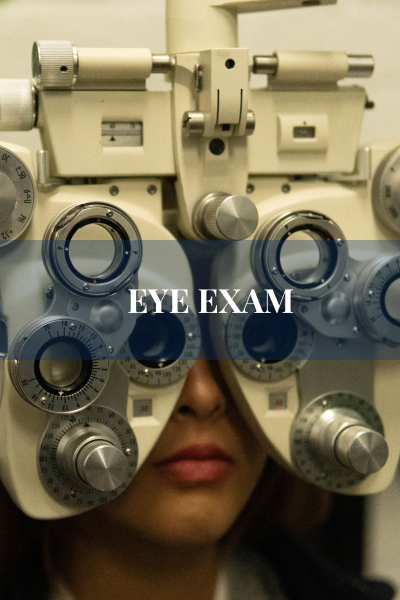
A comprehensive eye examination assesses vision and eye health. Your optometrist can consider your symptoms, relevant health history and examination findings, then explain whether further assessment or referral is appropriate. An eye test is not a substitute for urgent care when symptoms are sudden or severe.
At Lunettes Art Lab in Surry Hills, our optometrists conduct comprehensive eye examinations. A Personalised Vision Scan is included with a comprehensive eye examination at no additional charge. If you are also choosing glasses, frame fit and lens positioning can be considered alongside your prescription and how you use your vision day to day.
If you are considering new glasses, an up-to-date prescription is a useful starting point. Read why a proper eye exam matters before choosing new frames or lenses. If you already have a prescription from another optometrist, we can assess it alongside your chosen frame and lens requirements.
Frequently asked questions about eye conditions
Can an eye condition be present without noticeable symptoms?
Yes. Some eye diseases can have few obvious early symptoms, so feeling that your vision is normal does not confirm that your eyes are healthy. Discuss an appropriate examination schedule with an optometrist, especially if you have relevant health risks.
Are blurred vision and eye strain always caused by a refractive error?
No. Refractive errors can cause blurred vision, but similar symptoms can have other causes. An eye examination can help assess whether your prescription or another factor may be involved.
When is an eye problem urgent?
Sudden vision loss, serious injury or sudden severe eye pain needs prompt medical assessment. Contact an urgent health service if you are unsure where to go.
Can an eye examination help identify what is causing my symptoms?
A comprehensive examination assesses vision and eye health, and the findings guide what to do next. Our optometrists conduct these examinations at Lunettes Art Lab in Surry Hills, Sydney.
Should I mention my medications at an eye appointment?
Yes. Tell your optometrist about medicines you take and any recent changes, as well as your symptoms and relevant health conditions. This information can help provide context for the assessment.
Arrange an eye examination in Surry Hills
If a change in vision or an eye symptom is on your mind, speaking with an optometrist is a practical next step. Bring details of your symptoms, relevant health conditions and medications to your appointment.
Our optometrists conduct comprehensive eye examinations at Lunettes Art Lab in Sydney, with a Personalised Vision Scan included at no additional charge. Visit Lunettes Art Lab in Surry Hills to find out more.